


Breast Ptosis : Sagging
Sagging Breasts: Unveiling the Myths and Realities of Breast Ptosis
For many women, the firmness and shape of their breasts are a significant aspect of their body image. Consequently, the prospect of sagging breasts, medically known as breast ptosis, is a common concern, often surrounded by a mix of myths and misinformation. This article aims to provide a clear, evidence-based understanding of why breasts sag, separating fact from fiction, and offering practical advice for maintaining breast health.
Debunking Common Myths
Before delving into the causes of breast sagging, it’s essential to address some prevalent myths:
Myth: Breastfeeding causes breasts to sag.
Reality: This is one of the most persistent myths. Research has shown that the hormonal changes and weight fluctuations during pregnancy are the primary contributors to changes in breast appearance, not the act of breastfeeding itself. The stretching of ligaments occurs as breasts enlarge to prepare for lactation, regardless of whether a woman chooses to breastfeed.
Myth: Wearing a bra prevents sagging, and not wearing one causes it.
Reality: While a well-fitted bra provides support and comfort, especially during physical activity, it does not prevent the natural progression of breast sagging. The supportive structures within the breast are internal. Conversely, forgoing a bra will not cause your breasts to sag. However, a supportive sports bra is crucial during high-impact exercise to minimize stress on the supportive tissues.
Myth: Specific exercises can “lift” sagging breasts.
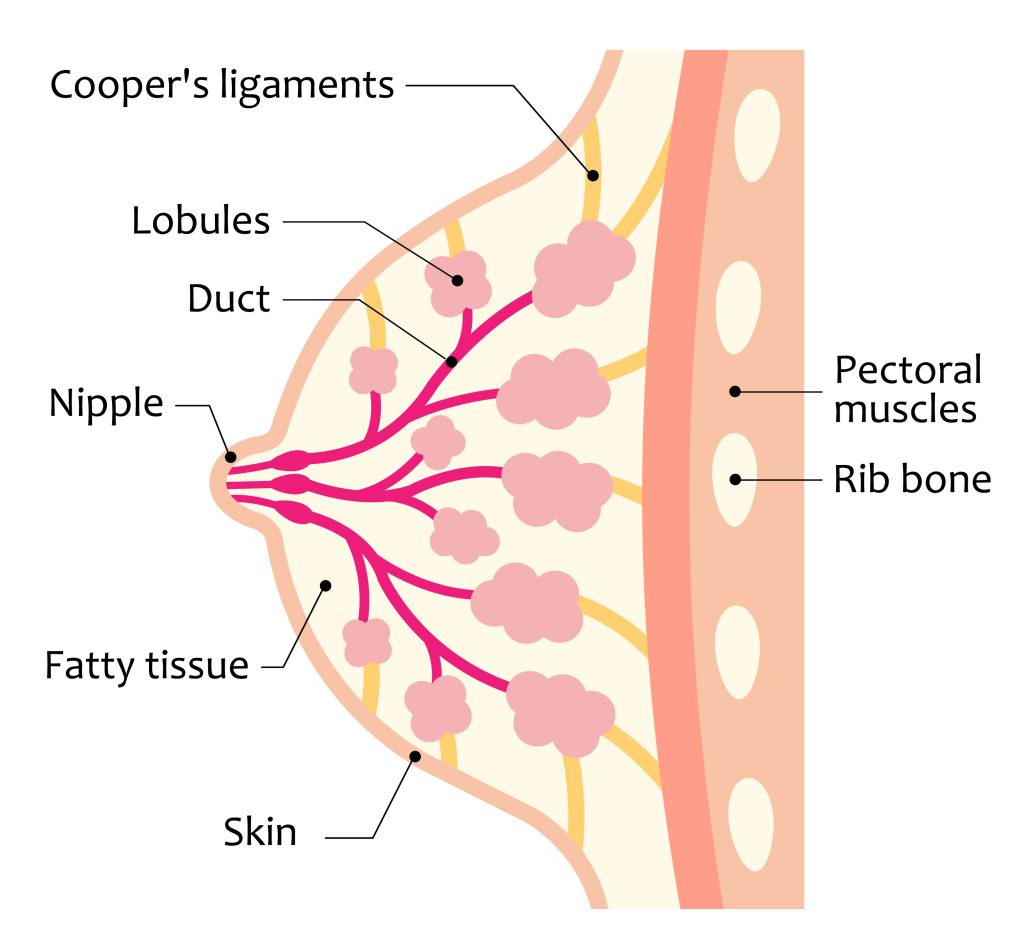
Reality: Breasts are composed of fatty tissue, glands, and ligaments, not muscle. Therefore, you cannot “work out” the breast tissue itself to make it firmer. However, exercises that strengthen the underlying pectoral muscles in the chest can improve the overall appearance of the chest area, providing a more lifted look to the breasts.
The Science Behind Breast Sagging: Understanding the Causes
The changes in breast shape and firmness are a natural process influenced by several factors. Understanding these can empower you to take proactive steps for your breast health.
The Unavoidable Factors:
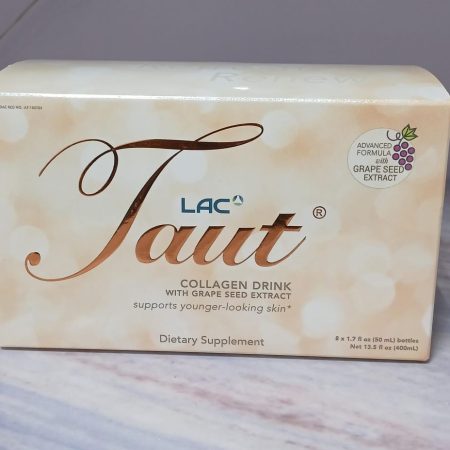
Aging and Gravity: As we age, the ligaments that support the breasts, known as Cooper’s ligaments, naturally stretch and lose their elasticity. The skin also becomes less elastic due to a decrease in the production of collagen and elastin, the proteins responsible for skin’s firmness. Over time, the constant pull of gravity takes its toll on these weakening structures, leading to sagging.
Genetics: Your genetic makeup plays a significant role in the size and shape of your breasts, the strength of your ligaments, and the elasticity of your skin. If your mother and grandmother experienced early or significant breast sagging, you might be predisposed to it as well.
Significant Life Events:
Pregnancy and Hormonal Changes: During pregnancy, hormonal fluctuations cause the milk ducts and glands to swell, leading to an increase in breast size and weight. This enlargement stretches the skin and ligaments. After pregnancy and breastfeeding, as the breasts return to their pre-pregnancy size, this stretched skin may not fully retract, resulting in a less firm appearance. The more pregnancies a woman has, the more pronounced these changes can be.
Weight Fluctuations: Significant and rapid weight gain can cause the skin and ligaments in the breasts to stretch. Similarly, rapid weight loss can leave the breasts with less volume but with the same amount of stretched skin, leading to a “deflated” or sagging look. Maintaining a stable, healthy weight is beneficial for preserving skin elasticity.
Lifestyle Choices with an Impact:
Sleeping Position: Consistently sleeping face down on your chest could cause potential cosmetic changes. This position places constant pressure on the breasts, which can strain the supportive Cooper’s ligaments, leading to a loss of elasticity. Over time, this can contribute to sagging (ptosis) and changes in the shape of the breast, which are often irreversible.
Smoking: Smoking is detrimental to skin health throughout the body, including the breasts. The chemicals in cigarette smoke break down collagen and elastin, accelerating the aging process and leading to premature skin sagging.
Sun Exposure: Excessive exposure to ultraviolet (UV) rays from the sun can damage the collagen and elastin in the skin, reducing its elasticity and contributing to premature aging and sagging of the delicate skin on the chest and breasts.
Proactive Measures and Management
While you cannot entirely prevent the natural course of aging, several lifestyle modifications and supportive measures can help maintain the health and appearance of your breasts:
Maintain a Stable Weight: A balanced diet and regular exercise can help you avoid the rapid weight fluctuations that stretch the skin.
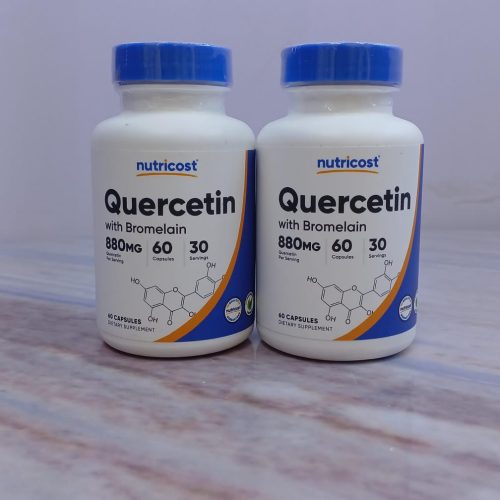
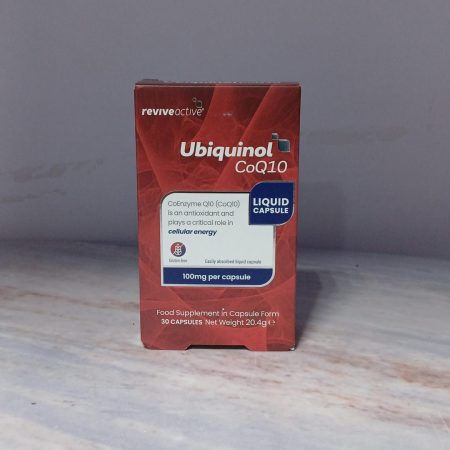
Nourish Your Skin: Eating a diet rich in antioxidants, vitamins (especially C and E), and healthy fats can support skin health and collagen production. Staying well-hydrated is also crucial for maintaining skin elasticity.
Strengthen Your Pectoral Muscles: While you can’t exercise the breasts themselves, strengthening the underlying pectoral muscles can improve the overall appearance of your chest. Exercises like push-ups, chest presses, and dumbbell flys are effective.
Wear a Supportive Bra, Especially During Exercise: A well-fitting bra can provide comfort and reduce strain on your breasts, particularly during high-impact activities. Ensure you are professionally fitted to find the right size and style for your needs.
Protect Your Skin from the Sun: When your chest and décolletage are exposed to the sun, apply a broad-spectrum sunscreen with a high SPF to protect the delicate skin from UV damage.
Quit Smoking: Quitting smoking is one of the most effective things you can do for your overall health and the health of your skin.
When to Consult a Healthcare Professional
It’s important to be familiar with the normal look and feel of your breasts. While sagging is a natural process, you should consult a physician or a pharmacist if you notice any of the following changes:
A new lump or mass in the breast or underarm.
Swelling, warmth, redness, or darkening of the breast.
A change in the size or shape of the breast.
Dimpling or puckering of the skin.
An itchy, scaly sore or rash on the nipple.
Pulling in of your nipple or other parts of the breast.
Nipple discharge that starts suddenly.
New pain in one spot that doesn’t go away.
While various cosmetic procedures, both surgical and non-surgical, are available to alter the appearance of sagging breasts, it is crucial to have a thorough discussion with a qualified medical professional to understand the risks, benefits, and realistic outcomes of these options.
For any concerns about breast health or changes you may be experiencing, your local pharmacist is also a valuable and accessible resource for initial advice and can help direct you to the appropriate healthcare provider.
To talk to a Pharmacist or find out about any medication you are currently on, You can hit the WhatsApp icon (right below). You can also place medication order or send prescription through WhatsApp and it will be delivered to your door step wherever you are in the world. You can search our home page for some products or pickup up at our Physical locations. We are a licensed Pharmacy.
When it comes to medications or drugs, a Pharmacist is the most qualified healthcare professional to reach out to.